World-first rearing data
Controlled experiments established optimal conditions for cricket rearing, including information such as the best harvest age for protein content, which had not previously been available.
Government partnership programme
[Company Name] is a British agricultural technology business with a patented system for cricket farming and protein production. We work with governments to establish domestic production facilities, so protein is produced locally, sustainably and at scale rather than imported.
The challenge
Many developing economies rely on imported food and feed ingredients to meet protein demand, while conventional livestock production places growing pressure on land, water and feed supply.
Our model addresses this directly. Rather than exporting a finished product, we provide the technology, training and support for countries to build their own production capability, owned and operated domestically.
Crickets convert feed into protein far more efficiently than conventional livestock. The UN Food and Agriculture Organization reports that crickets need around twelve times less feed than cattle to produce the same amount of protein.1
Benefits for partner countries
We are not seeking to export protein to the world. We are seeking to give the world the technology to produce its own.
The system
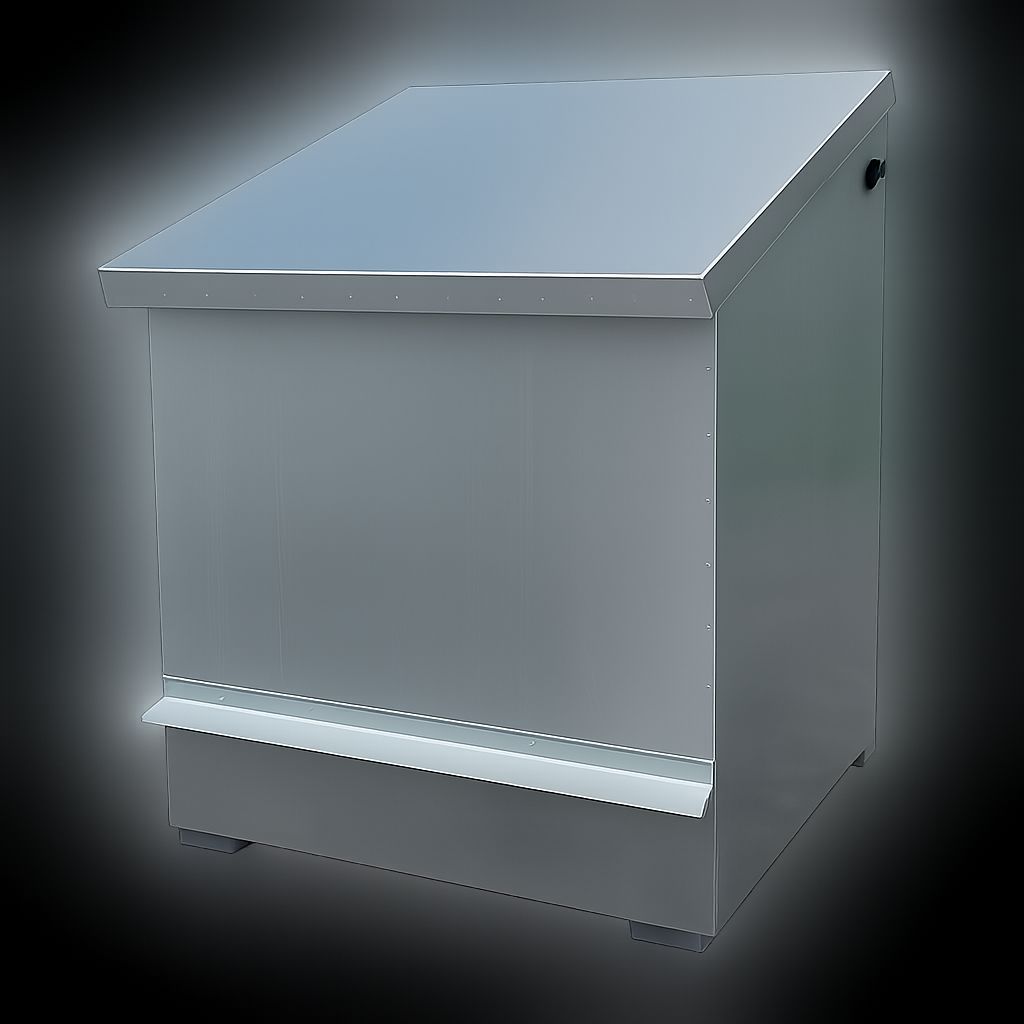
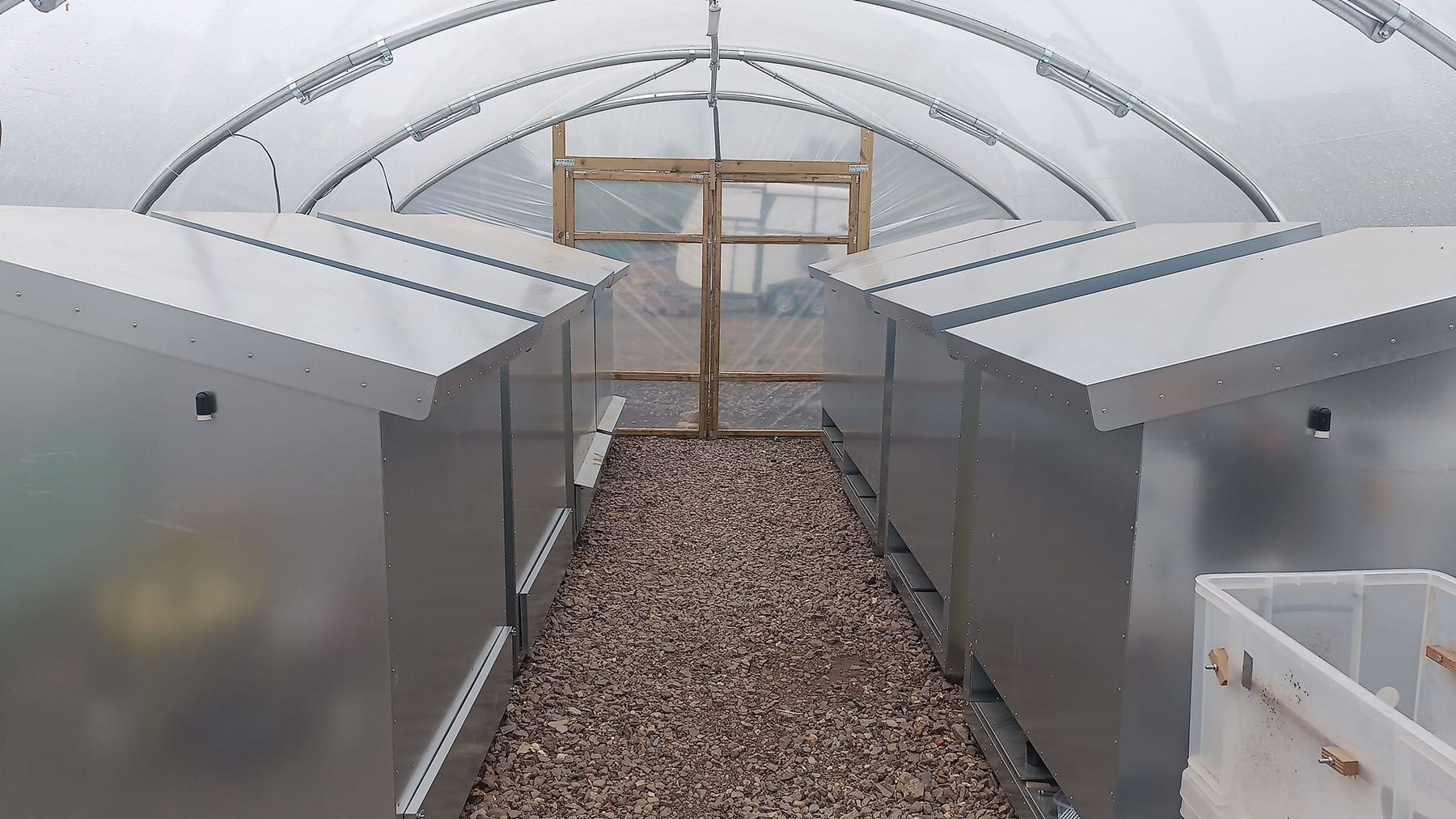
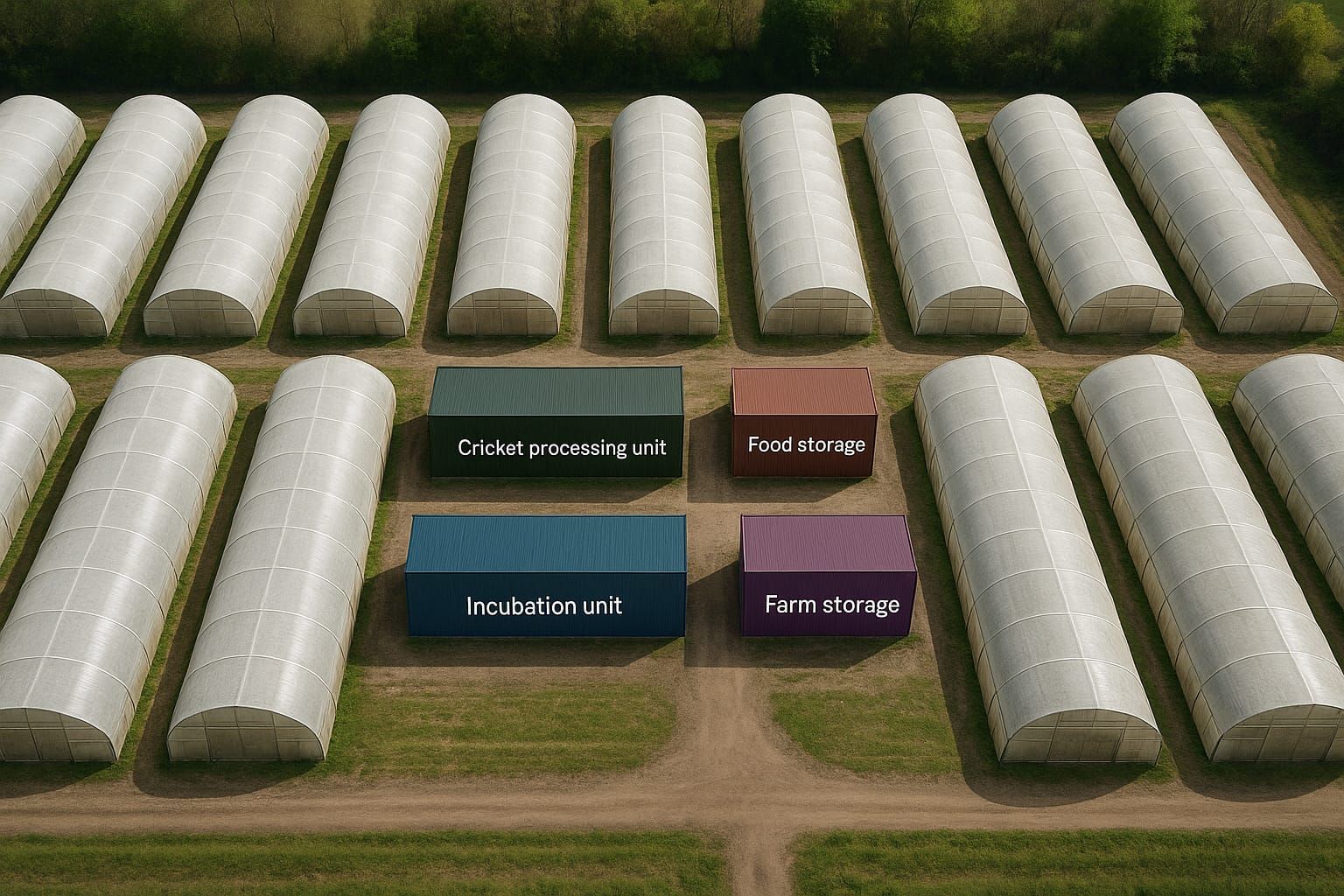
The core of the system is a self-contained rearing unit, designed for mass manufacture and refined over eight generations. Units are grouped on a single site and scale by adding more of them.
Eggs are incubated under controlled conditions to establish each new population.
Crickets are reared in climate-controlled units on a purpose-designed feed mix.
Each unit completes a full rearing cycle in 36 days.
Harvested crickets are processed into protein ingredients; the residue is collected as fertiliser.
Primary output
Used as a food ingredient. Demonstrator products include pasta, pizza, bread and energy bars.
Co-product
Produced in roughly equal weight to the crickets each cycle, for use as an organic fertiliser.
Remote management
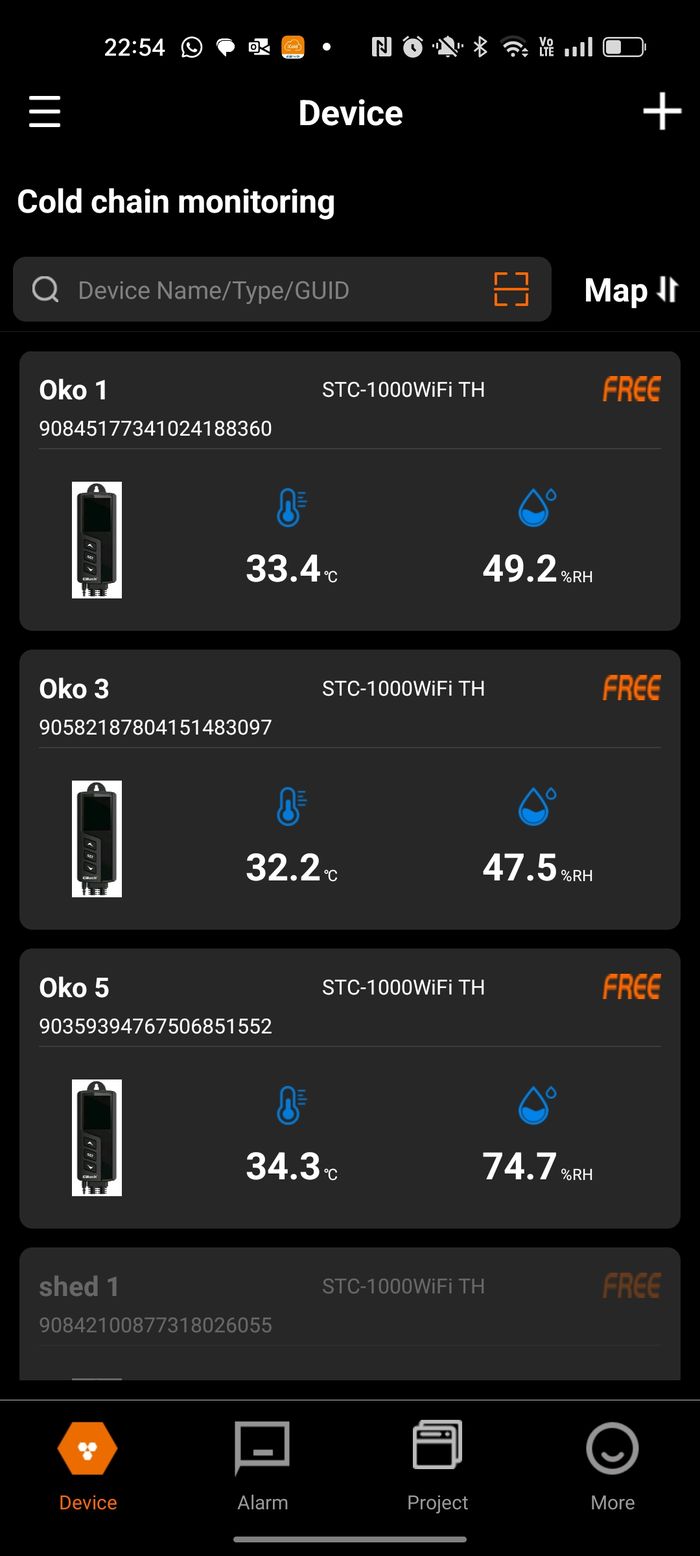
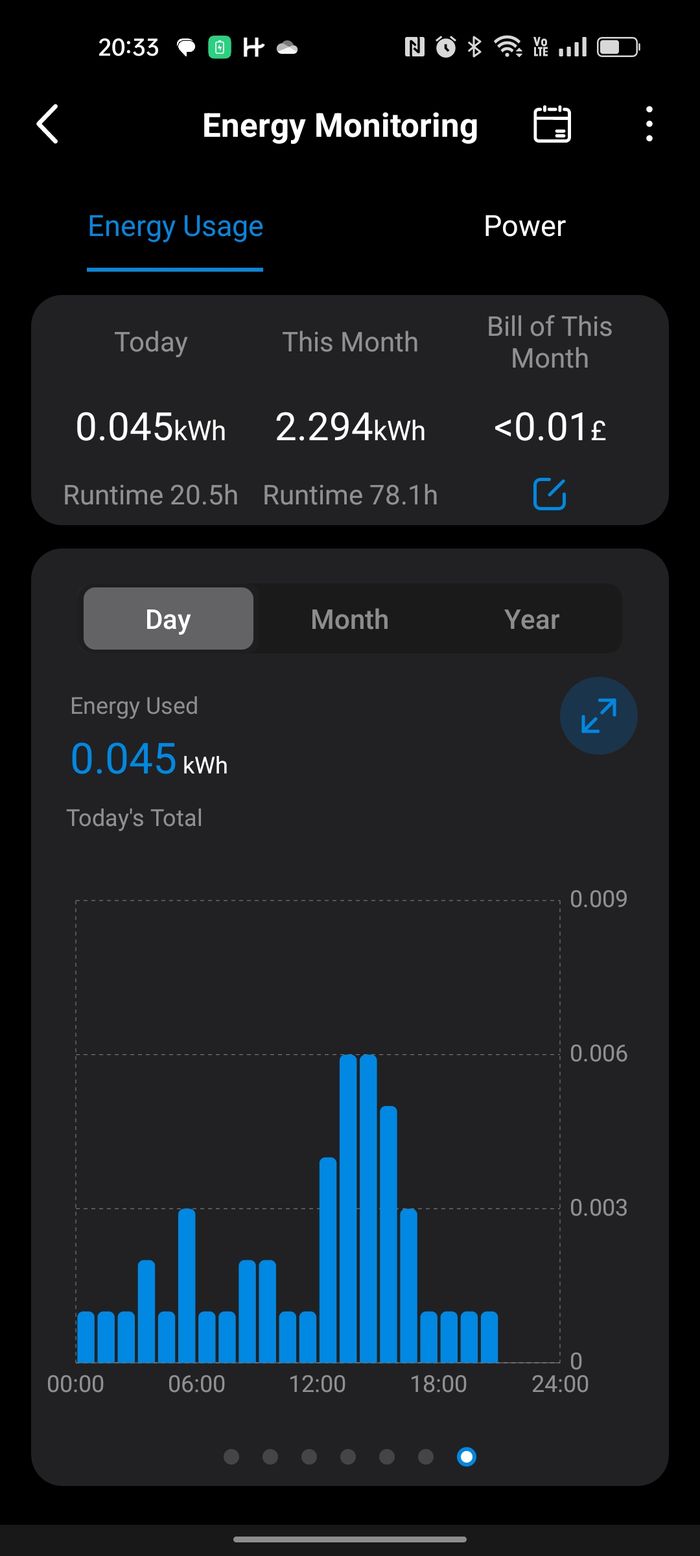
Each unit reports its climate conditions and energy use to a mobile application. Operators and technical support staff can track every unit on a site, compare performance and adjust conditions remotely, which supports quality control across a national network of facilities.
Power
Each unit needs electricity only for its ventilation fan and, in cooler climates, its heating. The fan draws approximately 5 watts.
In hot climates the fan is the only electrical load, so a unit can run from a small solar panel with battery storage. That means sites can operate where grid supply is limited or unreliable.
Research and evidence
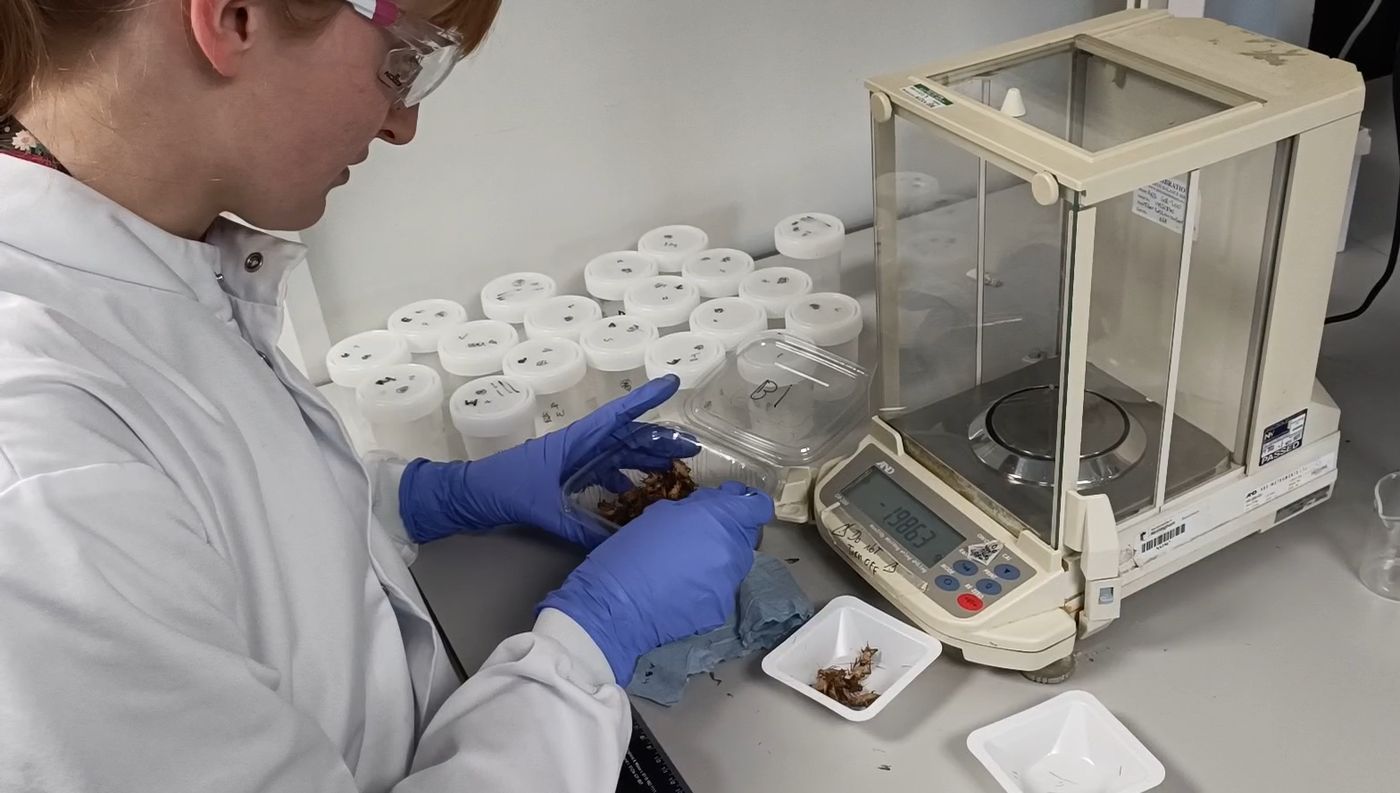
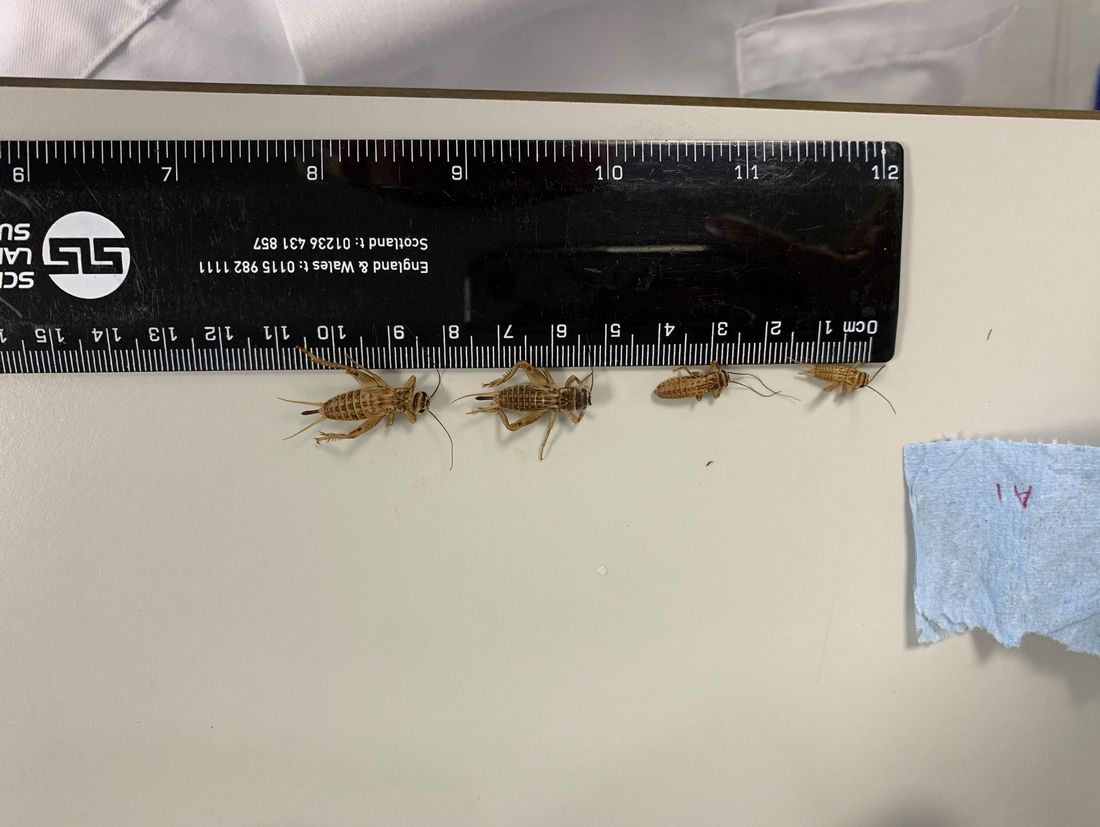
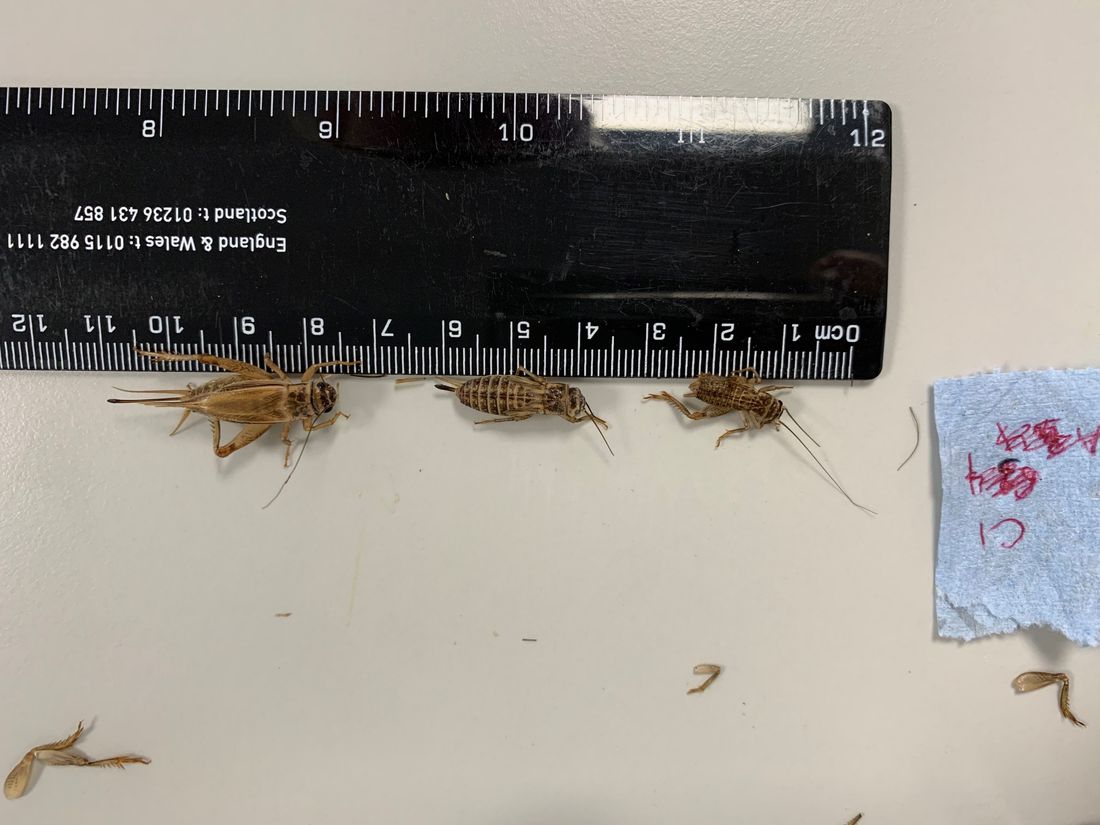
Practical guidance on cricket farming has largely been anecdotal. Working with University of Nottingham animal scientists, we applied the principles used in pig, cattle and poultry production to build a rigorous, data-based framework for rearing crickets.
Controlled experiments established optimal conditions for cricket rearing, including information such as the best harvest age for protein content, which had not previously been available.
A purpose-designed feed mix increased productivity by more than two thirds compared with the control.
25 production units were built, 18 within the research project, each improving on the last. The eighth generation is cheaper, more energy efficient, more compact and better at regulating conditions than any before it.
Units have achieved more than 18 kg per cycle against a minimum target of 14 kg, and work continues to raise this further.
Demonstrator food products tested consumer acceptance, and commercial partners have launched products using both the cricket protein and the frass co-product.
A planned UK site of more than 300 units has passed the quality assessment stage for the DEFRA investor partnership.
Performance
Every unit produces to the same specification, so national capacity can be planned simply by the number of units deployed. Figures below are from UK trials and will be validated locally in the demonstration project.
| Measure | Achieved | Next generation |
|---|---|---|
| Rearing cycle | 36 days | 36 days |
| Cricket output per cycle | 18 kg | 20 kg |
| Frass output per cycle | 18 kg | 20 kg |
| Cycles per year | ≈ 10 | ≈ 10 |
| Cricket output per year | ≈ 180 kg | ≈ 200 kg |
Next-generation figures reflect improved egg incubation now in development. The original minimum target was 14 kg per cycle.
At site scale
Partnership model
We provide access to our patented technology together with the expertise needed to establish and run local production. The package is tailored to each country.
[Company Name] retains ownership of the underlying intellectual property and grants defined rights to approved government or local operating partners. Production facilities, output and the jobs they create remain in the partner country.
We are seeking to work alongside the UK Department for Business and Trade, UK Export Finance and development finance institutions to support financing for qualifying partners.
Implementation pathway
Phase
Candidate countries are assessed against food-security priorities, agricultural infrastructure, regulatory requirements, government appetite and commercial viability.
Phase
One country is selected for an initial demonstration facility, establishing local performance data, supply chains and trained operators.
Phase
Licensed production expands across the partner country, with local operating partners and ongoing technical support.
Phase
A wider licensing programme extends the model to further countries.
Initial markets under assessment
We welcome approaches from ministries and agencies in other countries with an interest in domestic protein production.
Contact
We present the technology, the evidence and the partnership model to ministries, government agencies and development finance institutions. Contact us to arrange a briefing or request the full technical and commercial pack.
1. Van Huis, A. et al. (2013). Edible insects: future prospects for food and feed security. FAO Forestry Paper 171. Food and Agriculture Organization of the United Nations, Rome.